From Our Kitchen

Eight plates that define us — how we prepare them, what they carry, and why Indian food has always been about health as much as flavour.

Tandoori Chicken

Tandoori Chicken

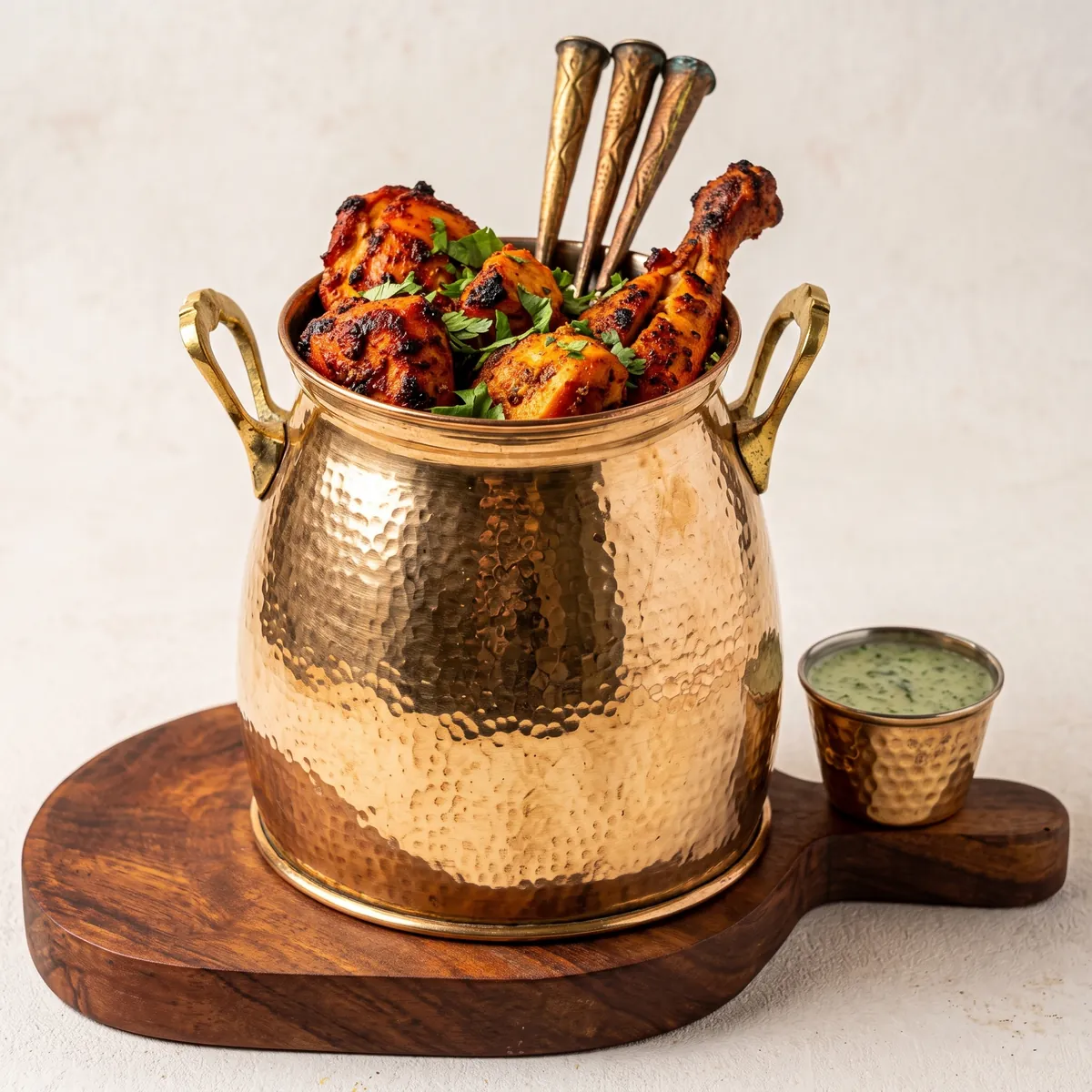
Our tandoori chicken is marinated overnight in yogurt, ginger, garlic and Kashmiri spices, then fired in the clay tandoor at over 500° — no frying, no heavy oil, just smoke and char. The yogurt tenderises the meat while the dry heat lets fat render away. One serving delivers roughly 290 calories with about 35 g of lean protein, making it one of the lightest ways to eat richly. The turmeric, ginger and garlic in the marinade are the same spices Indian kitchens have trusted for centuries to aid digestion and fight inflammation.
Chicken Tikka Masala

Chicken Tikka Masala

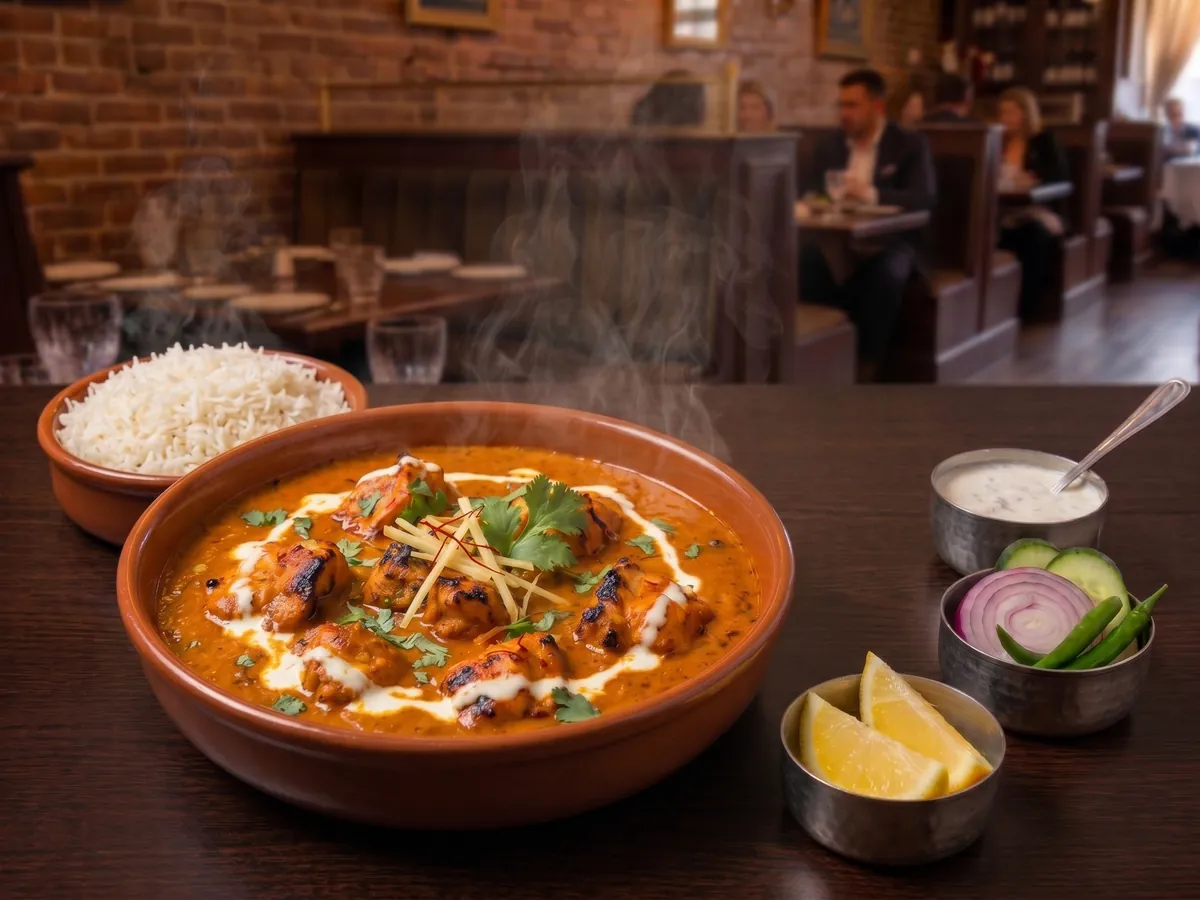
Char-grilled tikka simmered into a tomato-cashew sauce balanced with cream and garam masala — our most-ordered plate since the beginning. We roast the tomatoes down slowly, so sweetness comes from the fruit, not sugar. A serving runs approximately 450 calories with 30 g of protein, and the tomato base is rich in lycopene, an antioxidant that becomes more available the longer tomatoes cook. Paired with basmati rice or shared with naan, it’s comfort food with a workhorse of protein underneath.

Butter Chicken (Murgh Makhani)

Butter Chicken (Murgh Makhani)

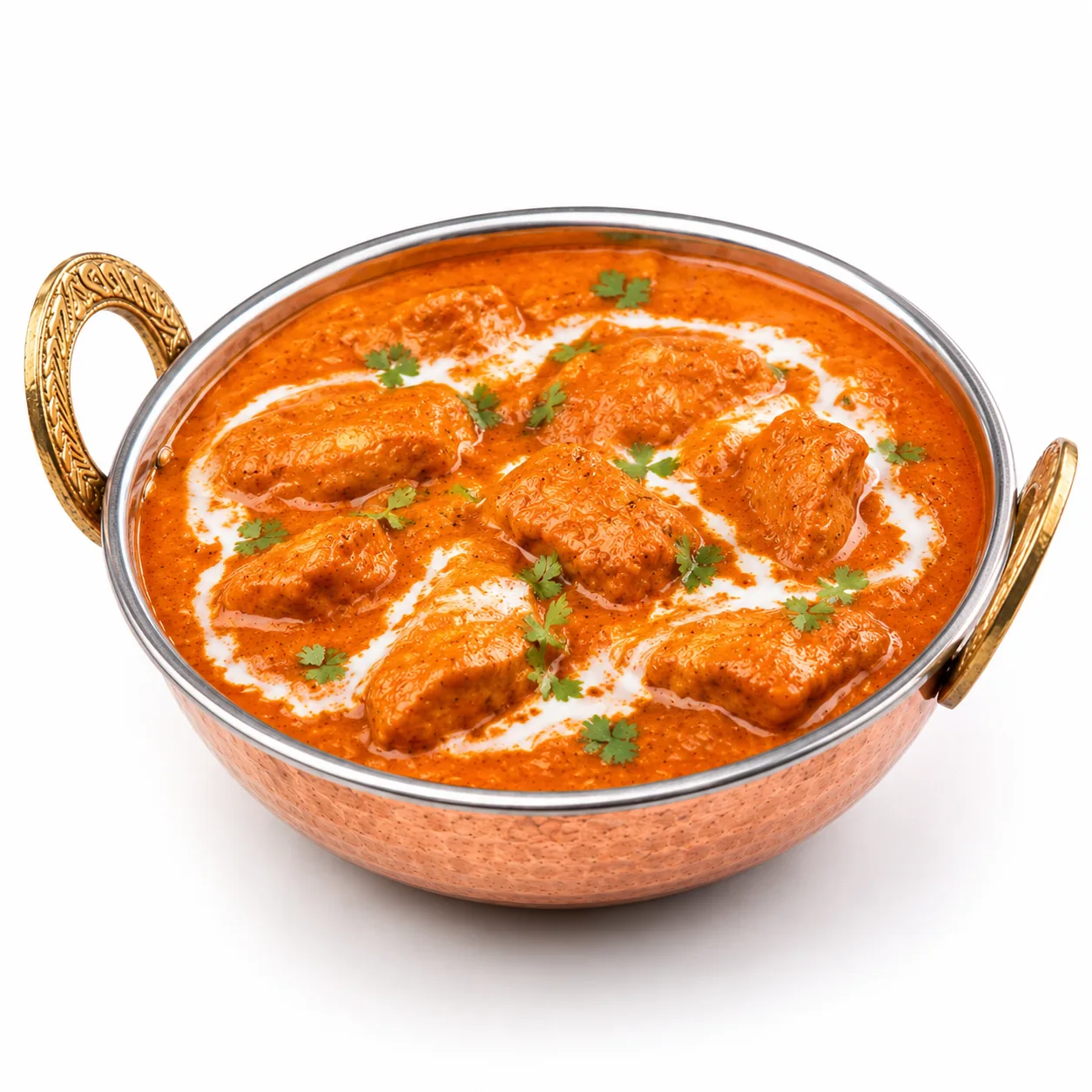
Born in Delhi kitchens like the ones my father ran, butter chicken is tandoori chicken folded into a silky tomato-butter sauce with fenugreek. We finish with cream rather than cook in it, keeping the sauce lighter than it tastes. Expect roughly 490 calories and 32 g protein per serving. Fenugreek (kasuri methi) — the leaf that gives the sauce its haunting aroma — has long been used in Indian households to support digestion and steady blood sugar. Slow food, in every sense.

Raan   Lamb Shank

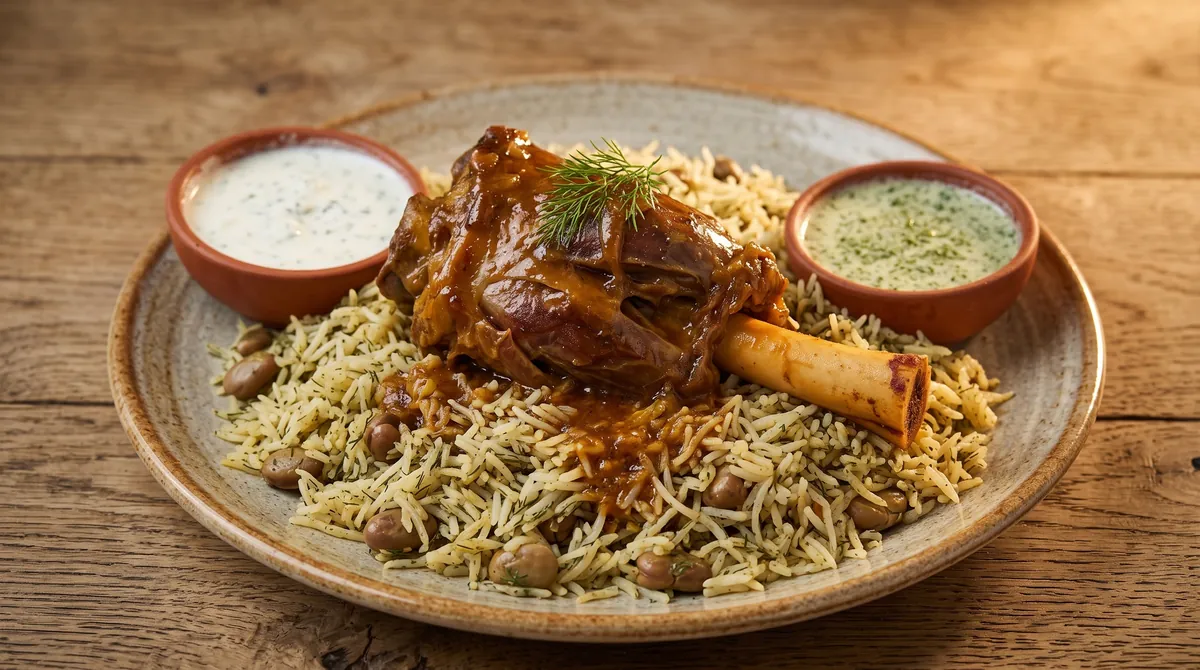
Raan — Lamb Shank

The shank braises for hours with whole spices until it slides off the bone onto dill-scented rice. Slow braising breaks down collagen into gelatine — the body-warming richness you feel — without needing added fat. A full shank plate is hearty at around 520 calories with 40 g of protein plus iron, zinc and B12, the minerals red meat does best. Cardamom, clove and cinnamon in the braise are classic warming spices of the north Indian winter table.

Goat Biryani

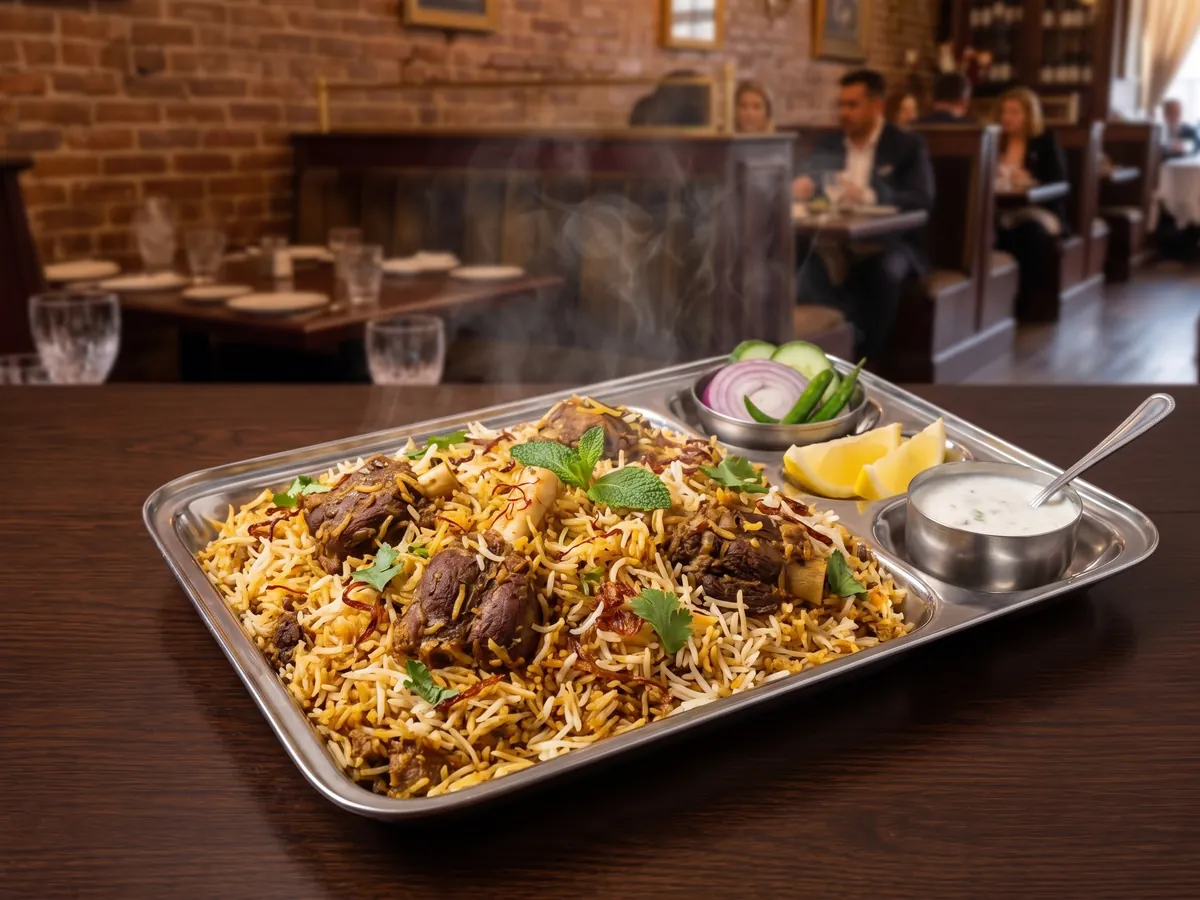
Goat Biryani

Bone-in goat layered with saffron basmati, sealed and steamed so the rice drinks the meat’s juices — the dum method, unchanged for generations. Goat is among the leanest red meats, lower in fat than lamb or beef, and a plate lands near 600 calories with about 35 g protein. Saffron, mint, and fried onion do the flavour work oil would otherwise do. Served with cooling raita, it’s a complete meal in the oldest Indian sense: grain, meat, yogurt, and spice in balance.

Saag Paneer

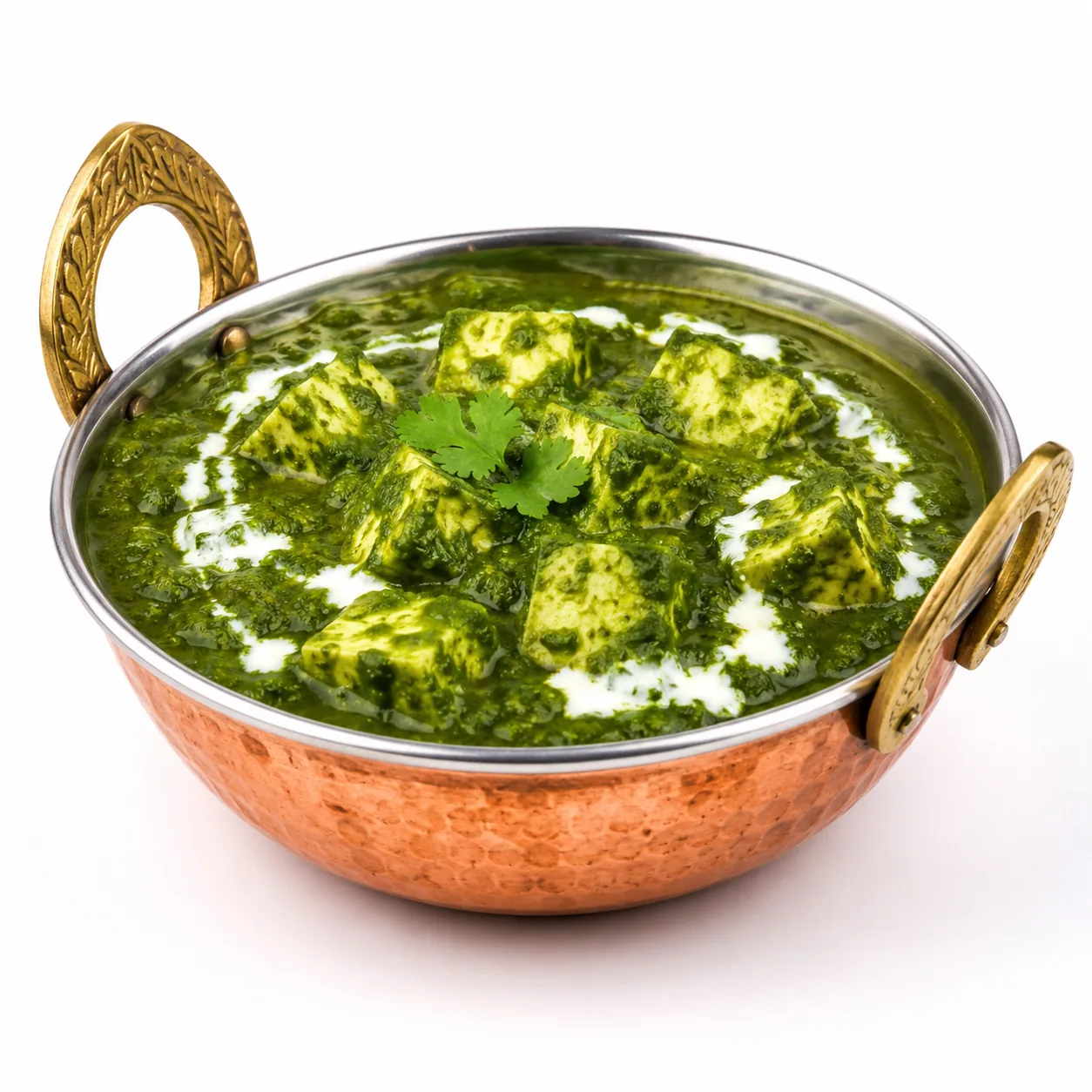
Saag Paneer

Slow-cooked spinach blended silky, folded with cubes of house-made paneer and finished with ginger. Spinach brings iron, folate and vitamin K; paneer adds calcium and about 16 g of protein — a vegetarian plate around 380 calories that eats like a main, not a side. The Indian trick matters here: cooking greens long and low with fat makes their fat-soluble vitamins easier to absorb. It’s the dish we recommend first to anyone eating vegetarian for health.

Dal Makhani

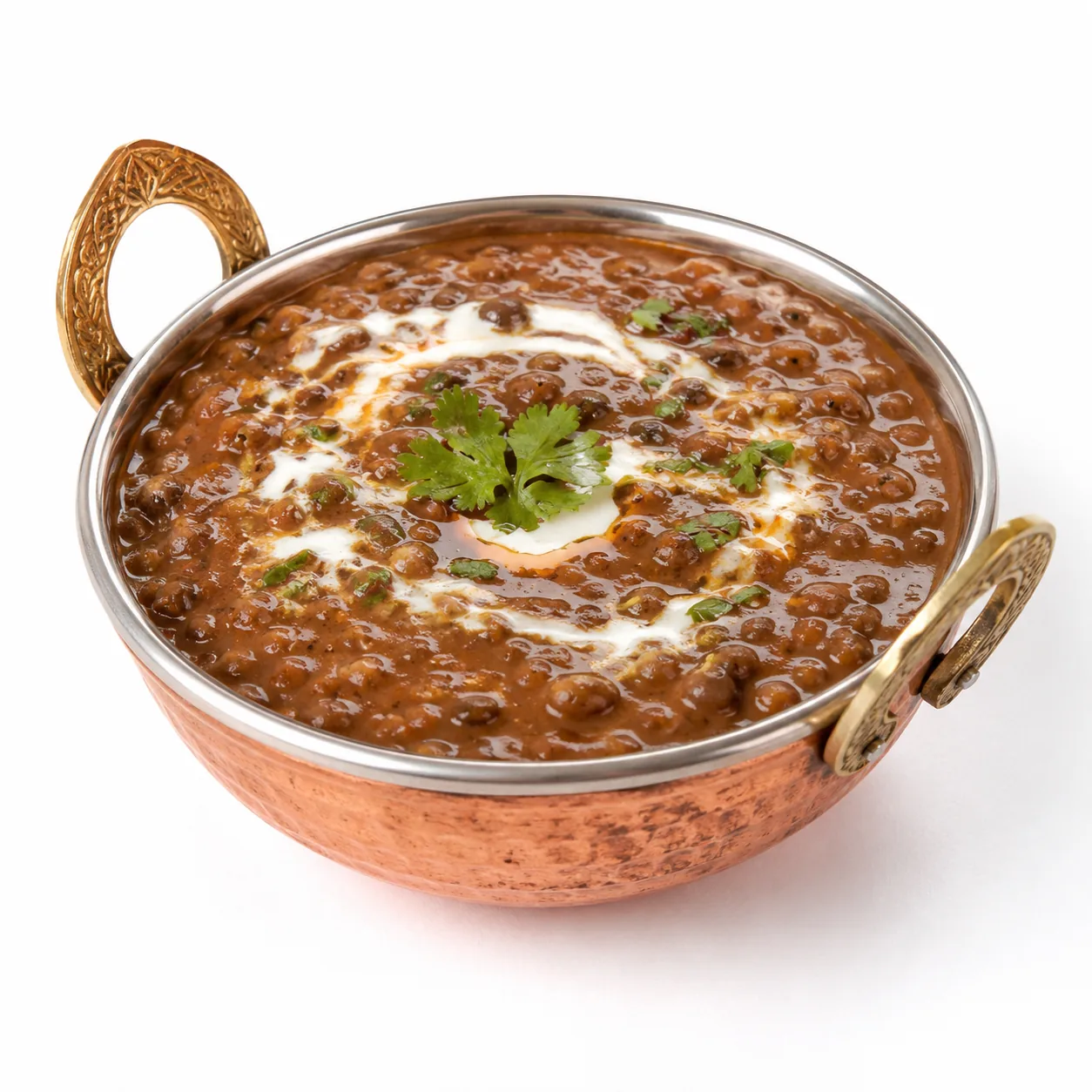
Dal Makhani

Black lentils and kidney beans simmered overnight — truly overnight — until they turn creamy on their own, then finished with a spoon of butter. Lentils are the backbone of Indian nutrition: a bowl carries roughly 330 calories, 14 g of plant protein and a third of your day’s fibre, which is why dal anchors meals across India. Slow cooking, not cream, is what makes ours thick. Eat it with roti for the complete protein pairing Indian grandmothers figured out long before nutrition science did.

Mango Lassi

Mango Lassi

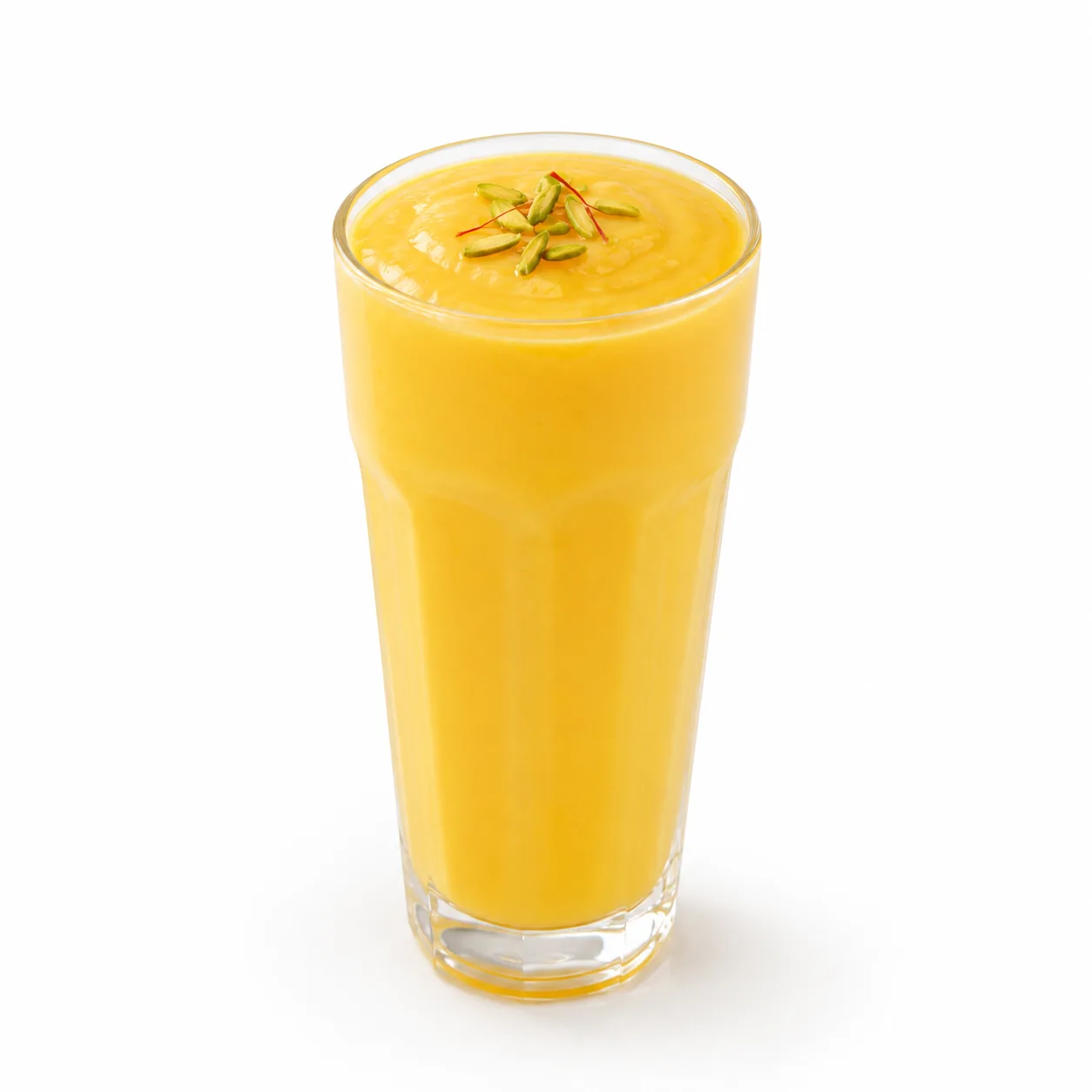
Alphonso mango pulp whipped with house yogurt — nothing else needed. Lassi is India’s original probiotic drink: live yogurt cultures for the gut, calcium and protein for the body, and mango’s vitamins A and C on top, at around 220 calories a glass. In Ayurvedic tradition yogurt drinks are taken with spiced food to cool the palate and settle digestion — which is exactly how we’d suggest it: alongside anything from the tandoor, or with the spiciest curry you dare.

Nutrition figures are kitchen estimates per typical serving and vary with portion and preparation.

5226 Bethel Center Mall, Columbus, Ohio 43220 · (614) 442-7705 · Est. 1970 · Halal